A well-built rotisserie plate feels complete rather than heavy because each element plays a clear role. At Five Rivers Rotisserie, the chicken is slow roasted for depth and tenderness, so sides and sauces are chosen to support that base rather than compete with it. This guide explains how to choose sides and sauces that bring contrast, freshness and structure to a grilled or rotisserie plate.
The strongest pairings rely on contrast. Warm elements benefit from something crisp, richness feels lighter with freshness, and a clear structure keeps each bite distinct.
Start with the main plate
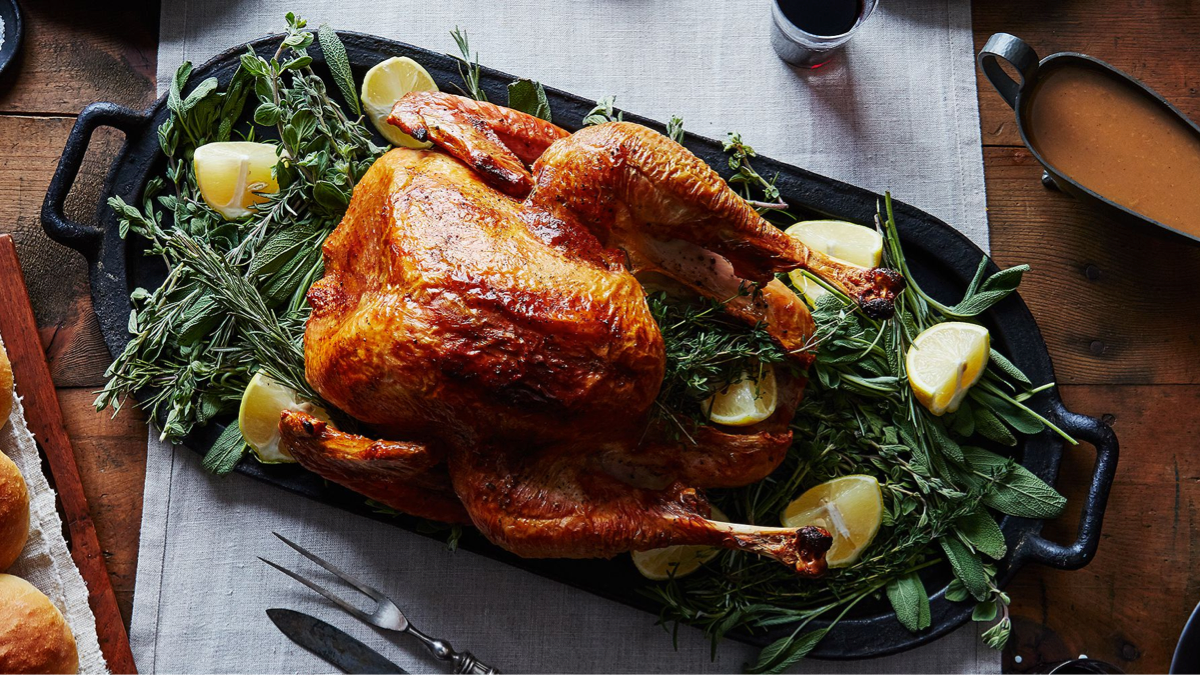
The main plate sets the direction for everything else. Rotisserie chicken has natural richness and gentle seasoning, which makes it flexible but also easy to overload if every element is heavy. Balanced plates work best when sides and sauces are chosen to support the main rather than pull attention away from it.
Add freshness and texture alongside warmth
Crisp sides play a practical role in keeping a plate enjoyable from the first bite to the last. Fresh salad brings contrast to warm chicken and rice, helping the meal feel lighter and more varied without reducing satisfaction.

This balance is especially useful when ordering from the Spicy Range. Heat-forward chicken benefits from something clean and cooling alongside it, which helps the spice stay enjoyable rather than overwhelming. A clear example of this approach can be seen in Hearty Spicy Chicken & Rice.
Choose a grounding base
Rice and fries act as the foundation of the plate. Rice absorbs juices and sauces, helping the meal stay cohesive, while fries add familiarity and texture. Pairing a warm base with a fresh side creates a clear balance between comfort and contrast. For more detail on how rice stays light and separate, see Perfect Rice Guide.
Use sauces to fine-tune, not dominate
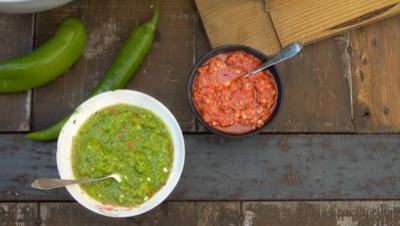
Sauces work best as finishing adjustments rather than the centre of the plate. Garlic sauce softens heat and adds creaminess, mint sauce brings lift and freshness, and peri peri increases intensity when you want more kick. Used in moderation, sauces connect the elements of the plate without masking the main. For a practical overview of how each sauce behaves alongside food, see Signature Sauce Guide.
Build plates that hold together
Plates built with balance in mind travel and reheat well. Clear structure helps meals stay enjoyable whether they are eaten in store or taken away, without becoming heavy or muddled.
By anchoring the plate around the main and choosing sides and sauces for contrast and support, this guide helps you build rotisserie plates that feel complete, satisfying and easy to enjoy.