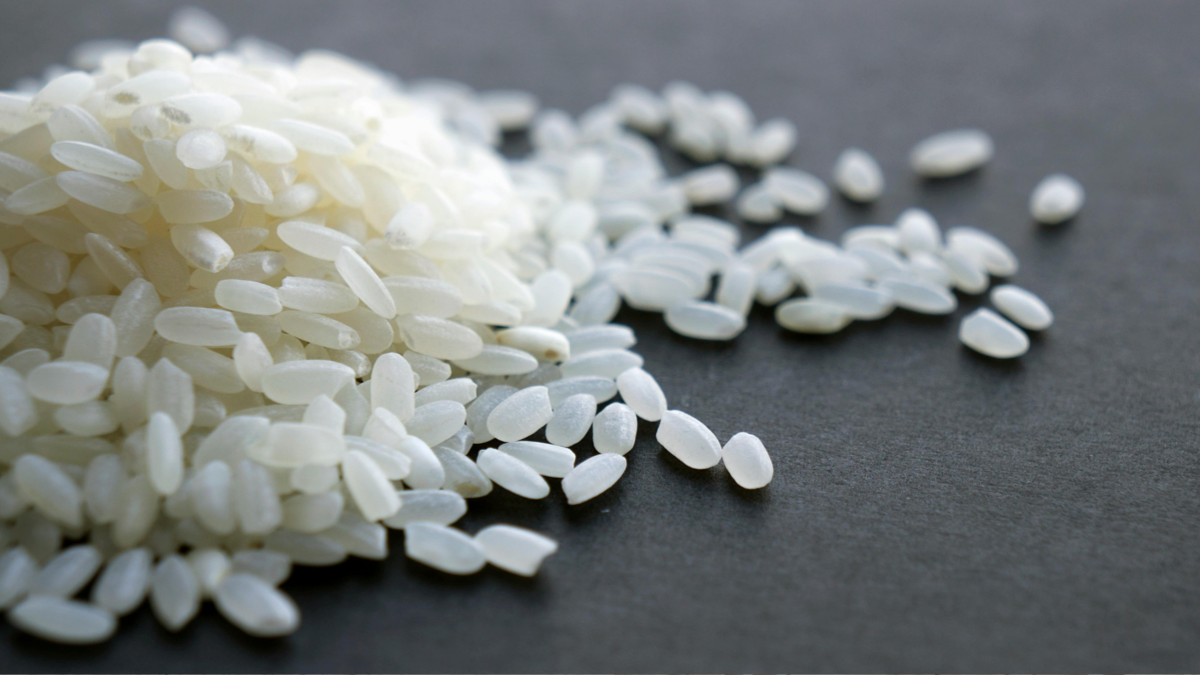
Rice looks simple, but it is one of the easiest parts of a grilled plate to get wrong. When basmati turns sticky or heavy, it overwhelms grilled chicken and dulls seasoning. When it is cooked properly, each grain stays separate and warm, supporting the plate instead of dominating it.
Why basmati behaves the way it does
Basmati is a long grain rice with a structure that naturally wants to separate. Problems usually come from surface starch and uneven hydration, not from the grain itself. If starch stays on the outside, grains glue together. If water is absorbed unevenly, the outside softens while the centre stays firm.

Good rice starts before heat is applied. Removing surface starch and hydrating the grain evenly are what allow steam to finish the job.
What makes rice stay light and separate
The choices around rinsing, soaking and steaming matter more than exact measurements. Rinsing reduces the loose starch that causes clumping. Soaking helps the grain hydrate evenly so it does not burst or split under heat. Steaming finishes the cook gently, letting moisture move through the grain without agitation.
This is why stirring late in cooking causes problems. Movement releases starch and breaks softened grains, which leads to a dense texture. Hands off cooking produces cleaner results.
Common problems and what they tell you
Sticky rice usually means starch was not fully removed or the rice was stirred while soft. Rice with a hard centre points to uneven hydration, often skipped soaking. Broken grains are a sign of heat that was too aggressive for too long.
Each issue is a signal. Understanding the cause helps you adjust without guessing.
Why this matters with grilled chicken
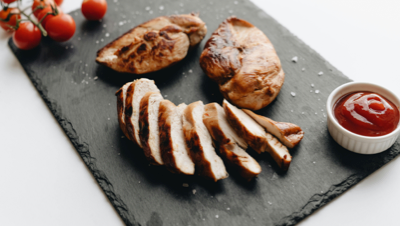
Grilled chicken, especially spiced or chilli forward plates, needs a base that absorbs juices without turning heavy. Light basmati does that job well. It stays warm, reheats cleanly, and keeps its structure under sauces or garlic dressing. For a practical example of rice supporting a heat forward plate, see Hearty Spicy Chicken & Rice.
This is also why properly cooked rice works for meal prep. It holds texture after cooling and returns to form when reheated with a small amount of steam.
Questions people often ask
Is soaking really necessary?
Soaking is not mandatory, but it is the easiest way to improve consistency. It reduces stress on the grain during cooking and makes results more predictable.
Why does rice sometimes feel dry after reheating?
Dry rice usually cooled too slowly or reheated without steam. Adding a small amount of water and covering during reheating restores moisture without turning the rice soft.
If you want a wider view of how rice, salad and sauces work together on a complete plate, see the pairing guide. If you are curious how chicken is handled from roast to service, see From Spit to Plate.